


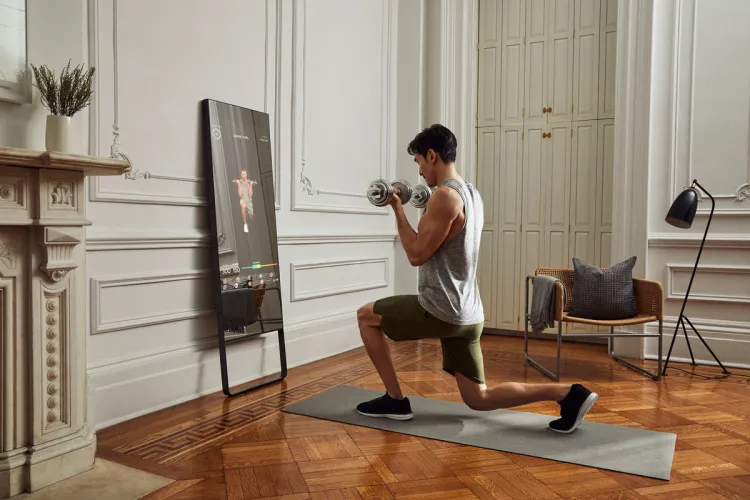
The fitness landscape is undergoing a significant transformation, with smart home gym products emerging as a dominant market force in 2025. Following a strong presence at CES earlier this year, these intelligent, connected systems are no longer niche innovations. They are becoming the standard for modern fitness experiences, particularly as consumers seek convenience, personalization, and performance in their wellness routines.
As we enter the peak of summer, smart home gym products are poised to see record adoption, driven by evolving lifestyles, technological advancements, and shifting consumer expectations.

*▲CES 2025, picture’s from TechCrunch, copyright belongs to original authors*
How Do We Witness the Rise?
The momentum behind smart home gym products in 2025 is unmistakable. This growth isn’t tied to a single trend; it’s the result of converging forces across consumer behavior, technology, and market readiness:
– At CES 2025, smart fitness was one of the most prominent wellness categories, with AI-powered mirrors, app-connected recovery tools, and intelligent resistance systems featured by both startups and major players.
– The global smart home gym equipment market is projected to grow steadily, with valuations ranging from $2.6–3.2 billion in 2025, and CAGR estimates between 3.5% and 5.1% through 2030.
– Fitness brands are actively expanding product lines and launching space-optimized solutions tailored for small homes and hybrid lifestyles.
– Consumers increasingly favor hybrid fitness routines, with home-based solutions becoming essential, not supplementary. According to Future Market Insights, over 60% of users now prefer mixing in-home workouts with occasional gym access.
In short, smart home gym products are no longer early-adopter novelties. They are now viewed as practical, personalized, and preferable investments in long-term health and convenience.
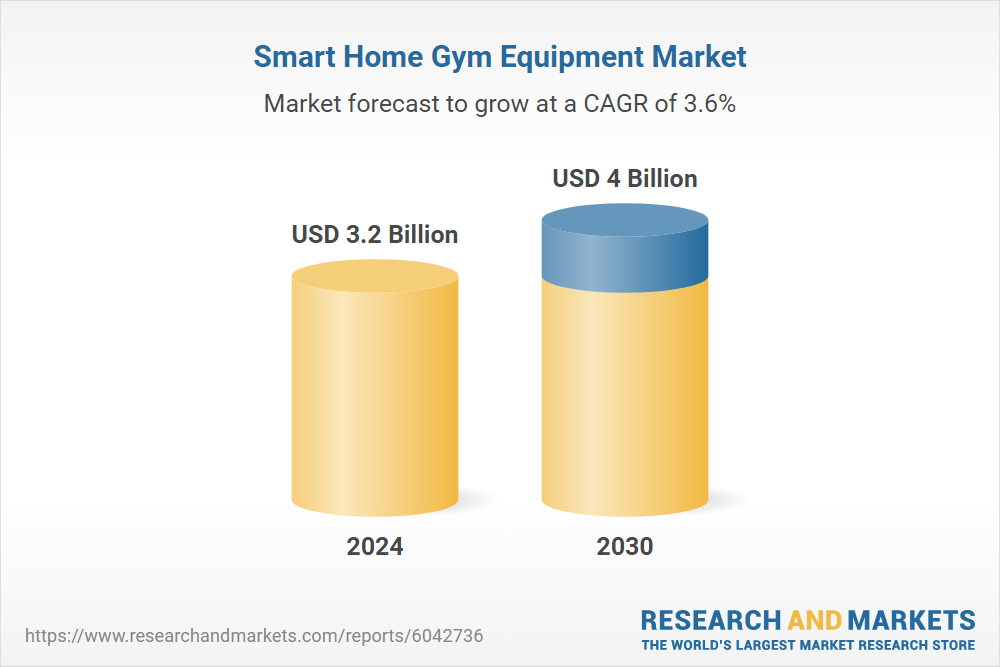
*▲The Growing Market of Smart Home Gym Equipment, picture’s from Reserach And Marketers, copyright belongs to original authors*
Who Is Driving Market Growth?
Smart home gym products appeal to a broad range of users, but core growth segments include:
Urban Professionals (Ages 25–40)
*Time-conscious, tech-savvy, focused on performance and personalization.*
This group is, without a doubt, the main customer segment for smart home gym products. They value efficiency and flexibility. With packed schedules and hybrid work setups, they prefer smart home gym solutions that save time and offer quick, guided workouts at home. Real-time tracking, AI coaching, and a clean digital interface appeal to their data-driven, performance-focused mindset, much like having a personal trainer that fits into their calendar.
Parents and Families
*Seeking flexible, space-efficient solutions for home-based wellness.*
For busy families, home fitness is about practicality. Smart home gyms eliminate the need to juggle childcare or commutes, allowing workouts before the kids wake up or after bedtime. Compact, quiet, and multifunctional products suit their lifestyle, while wellness features like recovery tools and sleep tracking add extra value.
Fitness Beginners
*Motivated by clear guidance, private environments, and self-paced progress.*
Beginners are motivated by structure and comfort. Many feel out of place in public gyms, so they turn to smart gears for its private environment and step-by-step guidance. AI-led workouts, progress milestones, and approachable user experiences reduce intimidation and build early momentum.
Health-Conscious Adults (50+)
*Prioritizing low-impact, safety-first systems with guided support.*
Not a major segment, but not negligible. Older users focus on health maintenance and safety. They appreciate low-impact programs, voice guidance, and features that support mobility and balance. Smart home gym products offer them independence, with intuitive interfaces and reliable form correction for injury prevention.
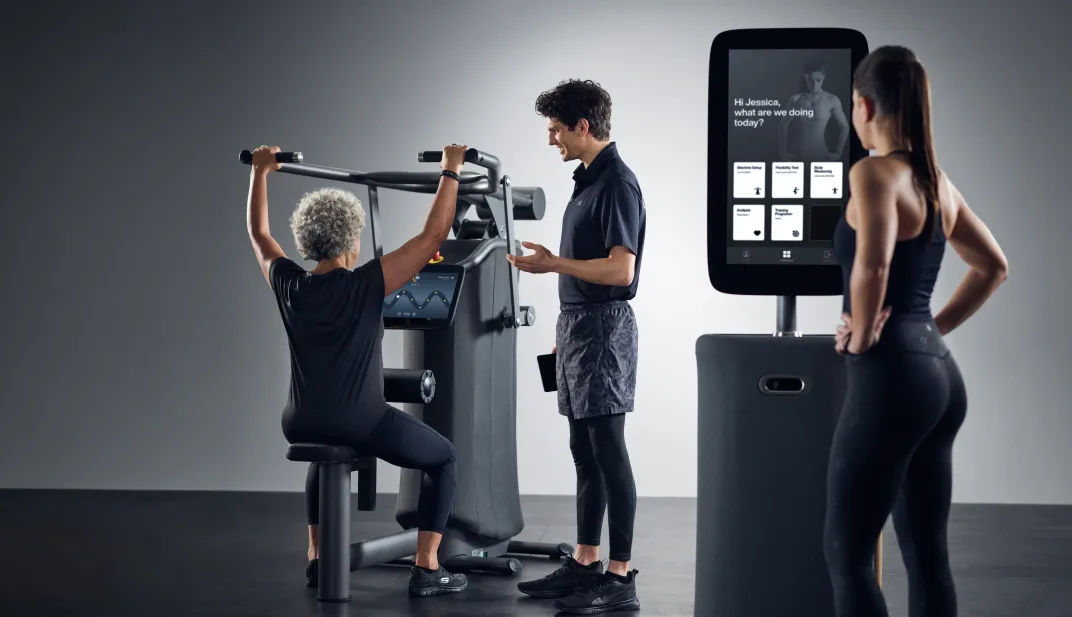
*▲Smart Home Gyms Users Groups, picture’s from TechCrunch, copyright belongs to original authors*
Intriguing Gender Distribution
While smart home gym products are marketed as unisex solutions, consumer behavior reveals notable gender-based preferences that shape purchasing decisions and usage patterns. Women currently make up the majority of digital fitness and light-equipment users, with studies showing:
– 56%–67% of users for app-based or guided mirror workouts identify as female.
– Products focused on wellness, guided routines, and recovery (e.g., resistance bands, compact equipment, and smart mirrors) tend to attract a predominantly female demographic.
In contrast, multifunctional strength equipment, including smart resistance machines and connected lifting platforms, sees a stronger presence of male users, estimated at around 60% of that segment. This reflects a higher male interest in performance metrics, resistance training, and muscular strength tracking, especially in products with heavier footprints or advanced configurations.
However, this gap is narrowing: the female segment is showing rapid growth in more robust home gym categories as women increasingly adopt strength-focused routines at home, aided by user-friendly coaching and compact design innovations.
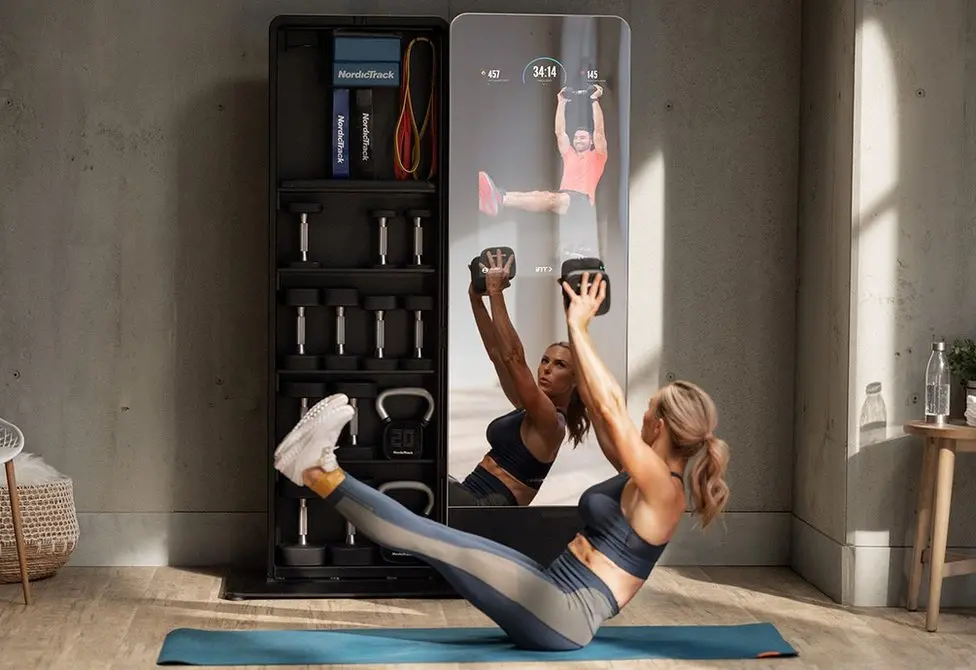
*▲Female And Smart Home Gym Products, picture’s from BBC, copyright belongs to original authors*
The Demands Behind
The explosive growth of smart home gym products in 2025 reflects far more than enthusiasm for new hardware. It reveals a shift in how consumers approach health, time, identity, and autonomy. To understand this transformation, we must look beyond features and into the fundamental human needs these systems are solving for.
1. Autonomy & Schedule Control
The shift to a hybrid lifestyle has redefined how people structure their days. As such, users are demanding seamless lifestyle integration: fitness solutions that don’t require a separate location or schedule but instead embed naturally into their daily rhythms.
Smart home gym products meet this need by being compact, stylish, and digitally integrated, often syncing with wearables, calendars, and health apps. A working parent might do a 15-minute session after school drop-off; a remote worker might break up their afternoon slump with a resistance session. This kind of flexible access turns intention into action, and action into habit.
2. Privacy & Psychological Comfort
When rising concerns about health and well-being meet uncomfortable gym experiences, home gym products offer a solution. Traditional gym settings, often with strong lights, crowds, and performance pressure, alienate many, including fitness beginners, older adults, and those returning after injury or inactivity. The public nature of commercial fitness spaces is often intimidating or outright exclusionary.
Home gym environments offer the opposite. Users can train at their own pace, in their own space, free from judgment or comparison. Emotional comfort is the foundation for many to begin and sustain a fitness journey. And for those managing self-image concerns, privacy becomes a must.
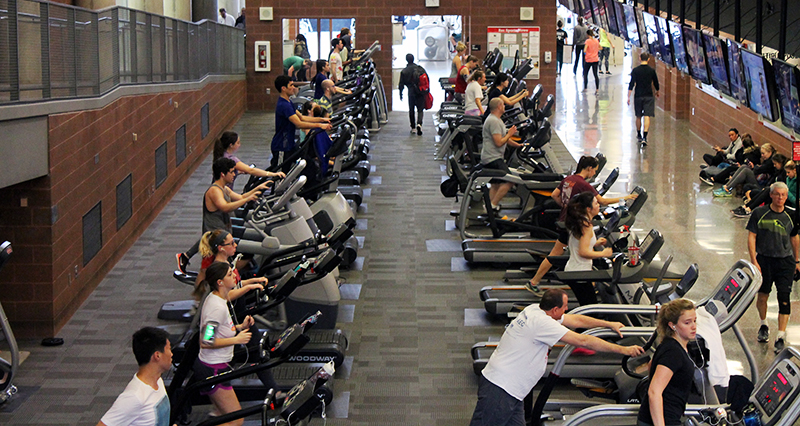
*▲Crowded Gym Environment, picture’s from The Lantern, copyright belongs to original authors*
3. Real-Time Coaching & Gamified Experience
Alongside privacy, one of the most universal barriers to consistent exercise is uncertainty about technique, progression, or safety. AI-powered smart home gym systems address this by offering interactive coaching, form correction, and adaptive workouts that evolve with the user.
For beginners, this replaces the need for a human trainer and reduces the fear of doing things wrong. For more advanced users, it delivers precision and optimization. The key is confidence, delivered through feedback loops that are clear, data-backed, and empathetic.
4. Engagement & Long-term Habit Building
One of the greatest challenges in either home fitness or gym routines isn’t access but consistency. This is where smart home gym systems shine: by combining real-time coaching with gamified engagement, they create a training environment that is not only personalized and safe but also emotionally rewarding.
Interactive features like AI-guided form correction, adaptive programming, and virtual instructors give users the structure and confidence of having a personal trainer, without the cost or intimidation. At the same time, progress tracking tools, achievement badges, and challenge-based goals provide clear visual milestones, keeping users engaged over time. These features help break through common barriers like self-doubt, plateaus, or lack of structure, encouraging more people to adopt home fitness as a sustainable routine.
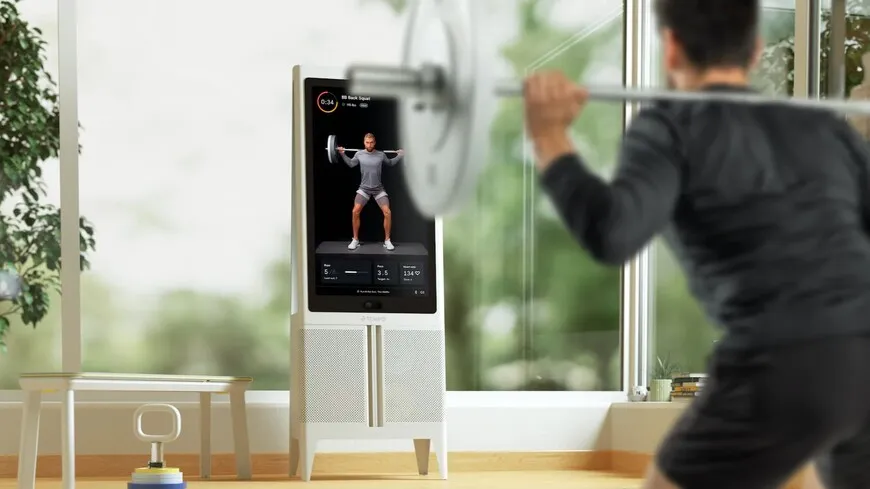
*▲Engaging Smart Home Gym Product, picture’s from Myleway, copyright belongs to original authors*
What Makes Hot-Shots Hot-Shot?
After analyzing customers’ demographic and psychological demands, it’s easy to understand why today’s smart home gym ecosystem is defined by intelligent automation, space efficiency, and personalized coaching capabilities. Below are several hot-shot product categories in the market:
AI-Integrated Home Gym Equipment
*Examples: Tempo, Tonal, Vitruvian, Speediance*
These systems use AI to provide automated weight adjustments, real-time form correction, and adaptive programming, offering a near-personal trainer experience in a home setting. This category anchors smart gym adoption by reducing entry barriers, increasing confidence, and supporting long-term habit formation through intelligent automation, meeting the growing consumer demand for confidence, structure, and outcome-driven training without external coaching or gym access.
Connected Cardio Machines
*Examples: Peloton, NordicTrack iFIT, Echelon, Lichico*
These treadmills, bikes, and rowers offer real-time performance metrics, live coaching, and immersive class environments. While some integrate with AI, their core appeal lies in transforming routine cardio into a socially engaging, emotionally energizing experience, especially for users seeking accountability and rhythm.
Fitness Mirrors and Visual Trainers
*Examples: Lululemon Studio Mirror, Forme Life, Fiture*
Targeting space-conscious urban consumers, these wall-mounted devices function as full-screen trainers with motion tracking, interactive programming, and minimalist aesthetics. They provide a discreet, guided workout experience that integrates seamlessly into modern living spaces. For users who prioritize discretion and compactness while still demanding a premium, immersive fitness experience, lightweight and slim design trends are also emerging in other product categories.
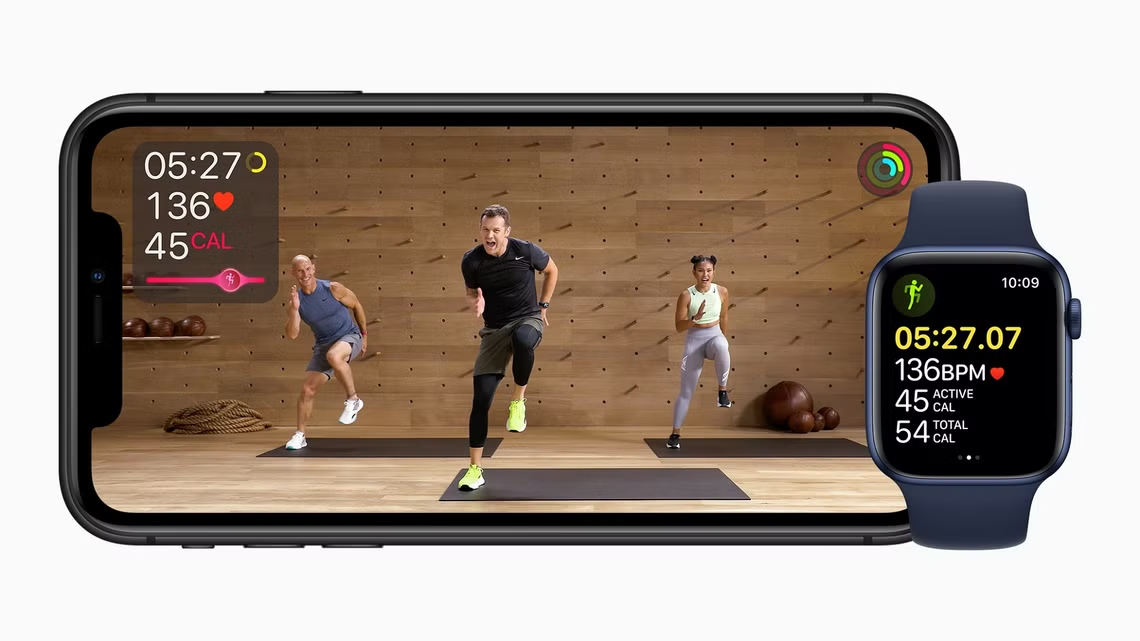
*▲App Integration, picture’s from Andriod Police, copyright belongs to original authors*
To Conclude
The rise of smart home gyms in 2025 marks more than just a technology shift. It signals a broader evolution in how consumers view health, time, and self-care. Today’s fitness users aren’t merely looking for ways to “work out at home.” They seek systems that offer autonomy, emotional ease, intelligent guidance, and seamless integration into everyday life.
Most smart home gym products today deliver more than workouts. They create environments that nurture motivation, protect privacy, and promote consistency while adapting to the rhythms of hybrid work and digitally enhanced lifestyles. As a result, the smartest smart gyms are no longer viewed as premium gadgets, but as essential tools that support the modern pursuit of sustainable wellness, identity, and personalized fitness.
Smart home gyms are not a luxury for the few any more. In the health-tech landscape of summer 2025 and beyond, they are quickly becoming the most sought-after products in the fitness market.